


Perfecting Chain Length to Maximize Mechanical Performance
페이지 정보
작성자 Agustin 작성일 25-12-18 10:57 조회 8 댓글 0본문
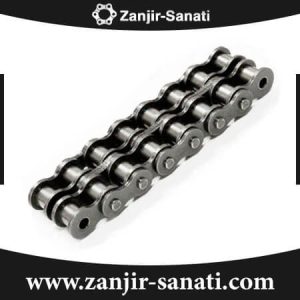
Getting chain length right is vital for reliable power transfer in any machinery using chains such as cycles, scooters, production line gear, and automated transport systems. Chain length errors result in poor performance, premature wear, and risk of sudden failure. You must locate the ideal tension zone that eliminates both floppiness and tightness.
Begin with the OEM guidelines tailored to your model. They reflect rigorous engineering data considering sprocket pitch, frame alignment, and operational stress. When specs are missing, a safe default is 1. It accommodates heat-induced elongation and dynamic flex while preventing derailment or binding.
It’s wiser to over-lengthen initially rather than risk being too short. Removing links is simple; restoring them demands spare components and precision tools. Turn the drivetrain multiple times to let the chain seat properly. Reassess the slack after settling. If the chain is too tight, it will put undue stress on bearings and sprockets, leading to premature wear and increased energy loss. Insufficient tension risks tooth skipping, chain slap, or complete disengagement.
On bikes with horizontal dropouts or machines featuring tension adjustment mechanisms, tweak the slider or tensioner to dial in the perfect fit. Tweak gradually and confirm results after every change. Don’t remove all slack trying for "perfect" tightness. Some slack is not only acceptable—it is necessary for زنجیر صنعتی smooth operation.
Routine inspections are non-negotiable. Wear causes measurable growth in chain pitch, shifting ideal alignment. Use a precision gauge to monitor elongation at set intervals. If the chain has stretched beyond the manufacturer’s recommended limit, replace it rather than trying to compensate with tension adjustments. A worn chain grinds down sprockets faster and lowers mechanical efficiency regardless of adjustment.
Always factor in your work conditions. Debris, humidity, and thermal shifts alter chain tension and friction. In gritty or damp environments, extra play prevents jamming and thermal stress. Always clean and lubricate the chain regularly to maintain consistent performance and reduce the need for frequent length adjustments.
Proper chain tension delivers quiet running, extended part life, and peak mechanical output. It is a simple adjustment with a significant impact on performance.
댓글목록 0
등록된 댓글이 없습니다.