


A Designer’s Guide to Customizing Driving License Templates
페이지 정보
작성자 Lourdes 작성일 25-12-18 10:14 조회 7 댓글 0본문
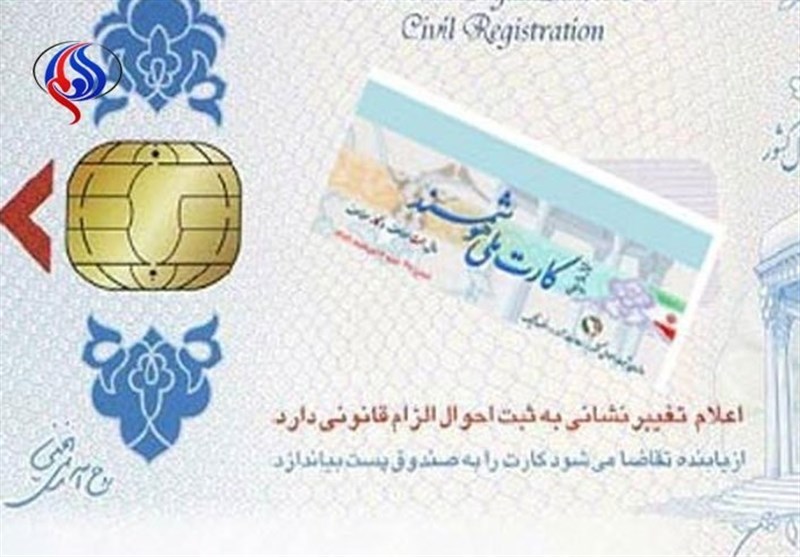
Crafting simulated driver’s licenses calls for careful planning, regulatory knowledge, and thorough precision.
Typically, individuals perceive licenses as fixed, government-issued identification cards there are legitimate reasons why designers might need to create or modify templates—for training purposes, mockups for design portfolios, or educational materials.Educators and students may develop simulations to better understand document authentication systems.
It is absolutely essential that no simulated license is ever intended to deceive or impersonate official ID.
The goal is always to simulate, not to deceive.
Begin with an in-depth study of your local jurisdiction’s driver’s license design.
Different areas use varying combinations of design elements, fonts, and data organization.
Many feature anti-counterfeiting elements like iridescent overlays, tiny text, آیدی کارت لایه باز infrared-reactive ink, or RFID tags.
Even the placement of the photo, signature, or barcode varies.
Refer to publicly accessible templates from your DMV or transportation agency.
Many agencies publish design guidelines or sample images for educational use.
Always rely on vector-based platforms like Illustrator or Inkscape for flawless resolution at any size.
Avoid using low resolution images or pixelated elements.
Legibility is key—official documents often rely on fonts engineered for optical character recognition.
Substitute with a comparable sans serif font like Helvetica, DIN, or Roboto that mirrors official styles.
The color palette plays a vital role in authenticity.
Licenses often use specific color schemes for different classes of licenses or age groups.
Provisional licenses frequently appear in lighter or contrasting tones compared to permanent ones.
Background elements like fine-line motifs, ghost images, and tonal shifts are intentional security features.
These are not just decorative—they serve as anti-counterfeiting measures.
Populate fields with dummy identifiers like [Full Name], [DOB], [License #], [Issue Date], [Expiry Date], [Address].
Do not populate these with real personal information unless you have explicit permission.
Use dummy data like John Doe or 123456789 to avoid privacy violations.
You must mimic, not duplicate, official security elements.
Overlay a subtle translucent text reading "SAMPLE," "DRAFT," or "FOR EDUCATIONAL USE ONLY".
Place a discreet disclaimer in 6–8pt font: "This is not a government-issued license".
Do not reproduce state emblems, official seals, or encrypted validation codes.
Print your mockup on material matching the real license’s substrate.
Many licenses use polycarbonate or synthetic materials with a specific thickness and texture.
A premium matte or semi-gloss cardstock approximates the tactile experience.
Finally, review your work against legal guidelines.
In many countries, creating even non fraudulent replicas of government documents can be illegal if not clearly marked as such.
When in doubt, consult your local laws or seek legal advice before sharing or displaying your template publicly.
Remember, the purpose of this work is education and design exploration—not replication.
Adhering to legal and moral standards fosters ethical design practices and protects public trust.
- 이전글 The 10 Most Terrifying Things About Cheap Washing Machines
- 다음글 How To Be Able To A New Kitchen Sink
댓글목록 0
등록된 댓글이 없습니다.