


Guide To Cooker Extractor Hood: The Intermediate Guide In Cooker Extra…
페이지 정보
작성자 Shella 작성일 25-11-22 04:42 조회 3 댓글 0본문
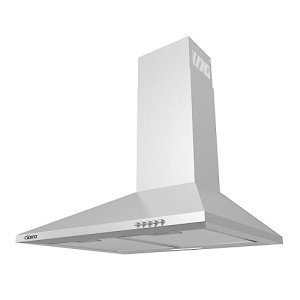
Understanding Cooker Extractor Hoods: A Comprehensive Guide
In modern kitchens, the cooker extractor hood is more than simply an accessory; it is an important element that guarantees a comfortable and clean cooking environment. This post delves deep into what cooker extractor hoods are, their functions, different types, essential factors to consider for selection, and regularly asked concerns. Whether house owners are refurbishing their kitchens or just wanting to upgrade their cooking appliances, understanding the function of an extractor hood can help make informed choices.
What is a Cooker Extractor Hood?
A cooker extractor hood, also referred to as a range hood or kitchen hood, is a device set up over the cooktop or stove. Its primary function is to ventilate the kitchen by eliminating airborne grease, smoke, steam, and smells produced throughout cooking. This not just improves air quality but also assists in keeping the kitchen's cleanliness.
Functions of Cooker Extractor Hoods
The main functions of an extractor hood consist of:
- Filtration: Removing air-borne particles and smells through filters.
- Ventilation: Providing fresh air by sucking in stale air, grease, and smoke.
- Lighting: Offering lighting over the cooking location for much better visibility.
- Heat Regulation: Preventing excess heat from collecting in the kitchen.
Types of Extractor Hoods
Cooker extractor hoods been available in various types, each matched for different kitchen designs and cooking designs. Below is a table summarizing the different types:
| Type | Description | Pros | Cons |
|---|---|---|---|
| Wall-Mounted | Connected to the wall above the stove. | Effective suction, space-saving | Requires wall space, setup can be intricate |
| Under-Cabinet | Fits underneath cabinetry. | Discreet, practical for small spaces | May have lower suction power |
| Island | Suspended from the ceiling, perfect for kitchen islands. | Aesthetic appeal, effective ventilation | More pricey, might require expert setup |
| Downdraft | Built into the cooktop, rises during use and withdraws when not required. | Sleek design, saves overhead area | Typically less effective than traditional hoods |
| Filterless | Uses innovative filtering technology, minimizing grease and odors without conventional filters. | Less upkeep, longer life-span | Usually greater rate point, may not fit all kitchen designs |
Secret Considerations for Choosing a Cooker Extractor Hood
When choosing a cooker extractor hood, several aspects ought to be thought about to make the most of effectiveness and make sure viability for private kitchen needs:
1. Size
Ensure the hood is at least as wide as the cooktop. Optimal sizing is vital for reliable air capture. For a better fit, consider:
- Standard cooktops: 30 inches hoods
- Expert cooktops: 36 inches or bigger hoods
2. Suction Power (CFM)
The air flow of the hood is measured in Cubic Feet per Minute (CFM). A greater CFM shows much better ventilation, which is crucial for heavy cooking.
Recommended CFM:
- Light cooking (e.g., boiling, steaming): 200-300 CFM
- Moderate cooking (e.g., sautéing, frying): 300-600 CFM
- Heavy cooking (e.g., grilling, wok cooking): 600+ CFM
3. Ducted vs. Ductless
- Ducted: Ventilates outside, highly effective but needs setup of ductwork.
- Ductless: Filters air and recirculates it back into the kitchen; setup is simpler however might not be as reliable.
4. Noise Level (Sonnes)
Pay attention to the sound level, particularly in open-concept homes. Search for hoods that operate silently, ideally creating less than 60 decibels on high speed.
5. Design and Aesthetics
Choose a hood that complements the overall kitchen design. Alternatives can range from modern stainless-steel to conventional designs that blend flawlessly.
6. Ease of Maintenance
Think about models with detachable, dishwasher-safe filters to alleviate cleansing efforts. Some models come with filter reminders or indications to alert users when a change is required.
Advantages of Installing a Cooker Extractor Hood
Incorporating a cooker extractor hood into the kitchen uses several noteworthy advantages:
- Improved Air Quality: Filters and flows fresh air, decreasing cooking odors.
- Improved Comfort: Minimizes heat and steam retention.
- Cleaner Kitchens: Reduces grease accumulation on cabinets and walls.
- Visual Appeal: Modern hoods work as decorative elements.
Often Asked Questions (FAQ)
1. How often should I clean my cooker extractor hood?
It is advised to clean the filters every 1-3 months, depending on use frequency. Regular cleansing prevents grease buildup, making sure optimal efficiency.
2. Can I install a cooker extractor hood myself?
While some designs are developed for simple DIY installation, complex ductwork or heavy models might require professional installation to guarantee security and effectiveness.
3. How do I figure out the best CFM for my kitchen?
Measure your cooktop measurements and consider cooking styles. A basic guideline is 1 CFM for each 100 BTUs of the stove's maximum heat output.
4. What kind of hood is best for a small kitchen?
Under-cabinet hoods or downdraft models are perfect for small kitchens due to their compact design, conserving important area without sacrificing function.
5. Are all extractor hoods loud?
No, noise levels vary significantly. Try to find hoods that supply a greater CFM at lower decibels for a quieter efficiency.
Investing in a correct cooker extractor hood is vital for producing a cleaner and more comfortable cooking environment. By understanding the different types, functions, and key considerations in choosing a hood, homeowners can considerably improve their kitchen experience. With the right extractor hood in place, you'll take pleasure in fresher air, decreased smells, and a more inviting kitchen area that's as practical as it is trendy.
- 이전글 Guide To Best Aluminium Window Installers: The Intermediate Guide Towards Best Aluminium Window Installers
- 다음글 Play m98 Casino site Online in Thailand
댓글목록 0
등록된 댓글이 없습니다.