


The Sage Advice On Shipping Container Sizes From An Older Five-Year-Ol…
페이지 정보
작성자 Dane Dulhunty 작성일 25-11-21 07:42 조회 3 댓글 0본문
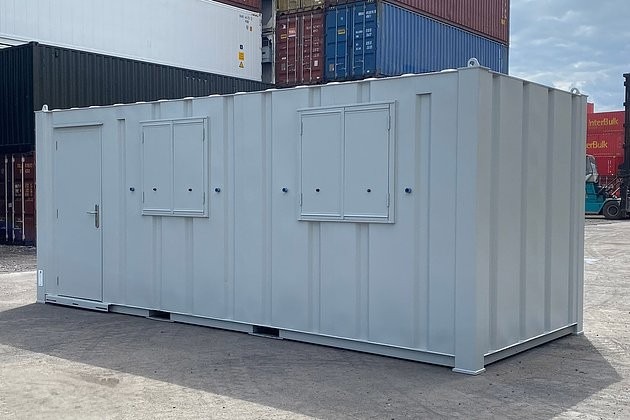
Understanding Shipping Container Sizes: A Comprehensive Guide
Shipping Intermodal Containers have become essential in the world of logistics and transport. Their flexibility and toughness make them the go-to option for moving products throughout nations and continents. Nevertheless, picking the ideal container size is vital, whether you are an entrepreneur wanting to deliver products or a specific preparation to relocate. This informative guide intends to clarify the various shipping container sizes, their usages, and the important factors to consider when choosing one for your needs.
Shipping Container Sizes Overview
Shipping Container Leasing containers come in different sizes, but the most typical dimensions are 20-foot and 40-foot containers. The choice of size largely depends upon the kind of cargo, shipping regulations, and specific logistics requirements. Below is a detailed table highlighting the basic shipping container sizes:
| Container Type | External Length | External Width | External Height | Internal Length | Internal Width | Internal Height | Volume (CBM) | Maximum Weight (kg) |
|---|---|---|---|---|---|---|---|---|
| 20 ft Standard | 6.058 m | 2.438 m | 2.591 m | 5.898 m | 2.352 m | 2.385 m | 33.2 | 30,480 |
| 40 feet Standard | 12.192 m | 2.438 m | 2.591 m | 12.032 m | 2.352 m | 2.385 m | 67.7 | 30,480 |
| 40 feet High Cube | 12.192 m | 2.438 m | 2.896 m | 12.032 m | 2.352 m | 2.698 m | 76.4 | 30,480 |
| 45 feet High Cube | 13.716 m | 2.438 m | 2.896 m | 13.556 m | 2.352 m | 2.698 m | 85.0 | 30,480 |
| 10 feet Standard | 3.048 m | 2.438 m | 2.591 m | 2.91 m | 2.352 m | 2.385 m | 15.5 | 10,160 |
Secret Features of Each Container Size
20 feet Standard Container House Cost:
- Widely used for basic cargo like equipment, electronics, and bulk materials.
- Ideal for smaller sized deliveries and when space is limited.
40 ft Standard Container:
- Suitable for larger cargo loads, such as furniture, cars, and industrial equipment.
- Typically preferred for international shipping due to its efficiency.
40 feet High Cube Container:
- Offers extra height for storing larger products without jeopardizing volume.
- Commonly used in the shipping of large items or products that require more vertical space.
45 ft High Cube Container:
- Even larger than the 40 feet high cube, this alternative makes the most of storage for extra-large freight.
- It is generally less typical but very beneficial for specific applications.
10 ft Standard Container:
- A practical choice for smaller deliveries, temporary storage, or on-site construction requirements.
- Portable and easy to transport, making it a preferred choice for smaller sized businesses.
Elements to Consider When Choosing a Container Size
Picking the ideal shipping container size isn't merely about dimensions; it includes a tactical consideration of multiple elements:
- Type of Cargo: Heavier or bulkier items may demand bigger or strengthened containers.
- Volume Requirements: Always examine the total volume of items being delivered to avoid overloading or waste space.
- Transportation Method: Different sizes may yield different expenses concerning filling logistics and shipping charges.
- Destination Limitations: Some locations might have size restrictions, especially for inland transport.
Regularly Asked Questions (FAQ)
1. What are the most typical uses for shipping containers?
Shipping containers are frequently used for transferring items globally, as momentary storage, and for transforming into living spaces or workplaces.
2. Exist specialized containers for specific cargo?
Yes, there are refrigerated containers (reefers), open-top containers, flat racks, and bulk containers created for specific types of cargo.
3. How do I figure out the best size for my shipment?
Determining the volume and weight of your products will help you choose the appropriate size. You can also consult with a Shipping Container Housing professional or logistics provider for guidance.
4. Can I buy a shipping container?
Yes, shipping containers can be acquired or leased. Numerous companies offer various sizes and conditions (new or used).
5. What are the weight limits for shipping containers?
Many standard containers have a maximum weight limitation of around 30,480 kg (67,200 lbs), however this can vary based upon container type and regulations.
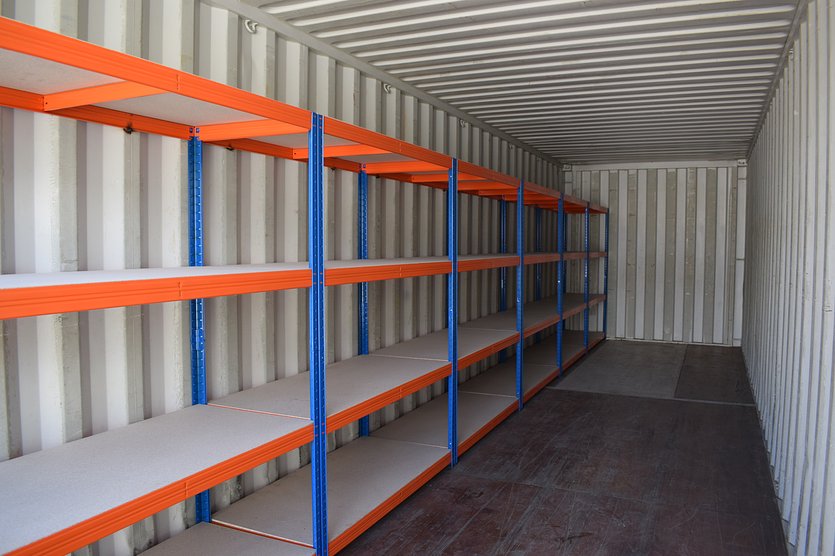
Shipping Container Prices containers are flexible tools for global trade, with a variety of sizes matched to accommodate numerous shipping requirements. Understanding the different dimensions, volumes, and weight capacities is important for companies and people associated with shipping or logistics. Whether selecting a container for commercial goods, personal usage, or ingenious jobs, making an informed choice will assist improve the shipping process and make sure that cargo arrives securely and effectively.
Armed with the ideal knowledge about shipping container sizes and factors to consider, readers can navigate their shipping endeavors with self-confidence.
- 이전글 Why Everyone Is Talking About Buy Driver's License With Credit Card Right Now
- 다음글 See What Snapped Car Key Milton Keynes Tricks The Celebs Are Using
댓글목록 0
등록된 댓글이 없습니다.