


Where Can You Find The Top Best Conservatory Repair Information?
페이지 정보
작성자 Israel Carnahan 작성일 25-10-28 18:51 조회 19 댓글 0본문
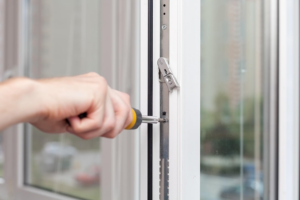
Best Conservatory Repair: A Comprehensive Guide
Conservatories, likewise called sunrooms or glass rooms, are a popular addition to many homes, providing an area that bridges the gap in between indoor and outdoor living. Nevertheless, like any structure, conservatories need routine maintenance and periodic repairs to ensure they remain practical, safe, and aesthetically pleasing. This comprehensive guide will check out the best practices for conservatory repair, from identifying typical issues to executing efficient solutions.
Comprehending Common Conservatory Issues
Before diving into the repair process, it's vital to comprehend the typical issues that conservatories face. These can range from minor cosmetic problems to more significant structural issues. Here are a few of the most regular issues:
Leaking Roofs and Windows
- Causes: Poor sealing, damaged glazing, or worn-out rubber gaskets.
- Symptoms: Water discolorations on the ceiling, wetness, or puddles on the flooring.
Structural Damage
- Causes: Age, weather condition exposure, or bad setup.
- Symptoms: Cracks in the frame, loose panels, or creaking noises.
Condensation
- Causes: Insufficient ventilation, poor insulation, or high humidity.
- Signs: Foggy windows, damp surface areas, and mold development.
Fading or Discoloration
- Causes: UV exposure, severe climate condition, or low-grade materials.
- Signs: Yellowing of the frame, peeling paint, or stained glass.
Faulty Doors and Windows
- Causes: Wear and tear, misalignment, or damaged hardware.
- Symptoms: Difficulty opening or closing, drafts, or rattling.
Steps to Identify and Address Conservatory Issues
Regular Inspections
- Conduct a thorough evaluation of your conservatory a minimum of twice a year. Inspect for any signs of damage, wear, or deterioration.
Check Seals and Gaskets
- Take a look at the seals around windows and doors. Change any that are cracked, worn, or no longer offer a tight seal.
Evaluate Structural Integrity
- Search for any indications of structural damage, such as fractures or loose panels. If you see any issues, it's important to address them quickly to avoid additional damage.
Evaluate Insulation and Ventilation
- Guarantee that your conservatory has adequate insulation and ventilation. Poor insulation can lead to condensation and energy loss, while insufficient ventilation can trigger wetness and mold development.
Clean and Maintain
- Routine cleansing can help avoid numerous common issues. Utilize a mild detergent and water to clean up the glass and frames. For more persistent discolorations, think about using a specialized cleaning solution.
Best Practices for Conservatory Repair
Roof and window mechanism repair Leaks
- Immediate Action: Place pails or towels to catch water and prevent damage to the floor.
- Long-Term Solution: Re-seal or change damaged glazing and rubber gaskets. Consider using a premium sealant created for conservatories.
Structural Repairs
- Immediate Action: Secure any loose panels or frames to prevent further damage.
- Long-Term Solution: Consult a professional to assess the level of the damage and advise the best window lock repair strategy. This may consist of reinforcing the structure or replacing damaged components.
Condensation Management
- Immediate Action: Use dehumidifiers or fans to minimize wetness levels.
- Long-Term Solution: Install additional ventilation, such as drip vents or a mechanical ventilation system. Think about updating to double or triple-glazed windows for better insulation.
Fading and Discoloration
- Immediate Action: Apply a protective coating to the impacted locations.
- Long-Term Solution: Replace any seriously damaged or discolored parts. Choose premium, lock Upgrade UV-resistant materials for future setups.
Faulty Doors and Windows
- Immediate Action: Lubricate hinges and tracks to enhance functionality.
- Long-Term Solution: Replace any damaged hardware and ensure that windows and doors are correctly aligned. Think about upgrading to more resilient and energy-efficient choices.
When to Call a Professional
While many conservatory repairs can be managed by property owners, there are times when professional support is necessary. Here are some scenarios where it's best to contact an expert:
- Structural Damage: If you discover considerable fractures or damage to the frame, a professional can evaluate the level of the damage and recommend the very best repair method.
- Complex Repairs: For issues that require specialized tools or know-how, such as changing large areas of the roof or windows, a professional can ensure the task is done properly and securely.
- Guarantee Issues: If your conservatory is still under service warranty, a professional can assist you navigate the guarantee process and ensure that repairs are covered.
FAQs
Q: How frequently should I inspect my conservatory?A: It's suggested to examine your conservatory a minimum of two times a year, ideally in the spring and fall, to capture any issues before they end up being significant issues.
Q: Can I fix a leaking roof myself?A: Minor leaks can often be fixed with a great sealant, but more considerable issues might require professional assistance to ensure the repair is effective and lasting.
Q: What can I do to avoid condensation in my conservatory?A: Improving ventilation and insulation are key. Consider installing drip vents, utilizing dehumidifiers, and upgrading to double or triple-glazed windows.
Q: How do I select the ideal materials for my conservatory repair?A: Look for top quality, UV-resistant materials that are appropriate for the specific conditions of your conservatory. Talk to a professional to guarantee you make the very best options.
Q: Is it economical to repair a conservatory, or Window Locking System should I think about replacing it?A: The cost-effectiveness of repair versus replacement depends upon the level of the damage. Small repairs are often more economical, however if the damage is substantial, replacement may be the much better long-lasting solution.
Preserving and repairing your conservatory is vital to ensure it remains a functional and satisfying part of your home. By understanding common issues, following best practices, and understanding when to call in a professional, you can keep your conservatory in leading condition for years to come. Routine maintenance and timely repairs can assist you prevent more significant issues and make sure that your conservatory continues to supply a lovely and comfy area for your household to enjoy.

- 이전글 Why You Should Focus On Improving Acquire Finnish Driving License
- 다음글 5 Facts Belgium Driving Theory Test Is Actually A Beneficial Thing
댓글목록 0
등록된 댓글이 없습니다.