


5 Myths About Chimney Cooker Hood That You Should Avoid
페이지 정보
작성자 Lewis 작성일 25-11-27 18:50 조회 3 댓글 0본문
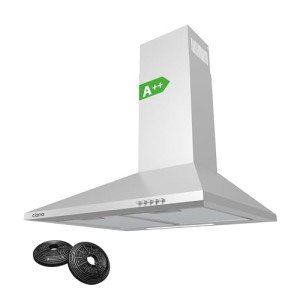
A Comprehensive Guide to Chimney Cooker Hoods: Elevate Your Kitchen Experience
In modern kitchens, functionality and style often go together. One essential appliance that melds these two elements magnificently is the chimney cooker hood. As homeowners pursue a tidy, effective cooking environment, chimney cooker hoods stand apart as popular options. In this article, we will explore what chimney cooker hoods are, their features, setup factors to consider, maintenance, and why they may be the ideal addition to your cooking area.
What is a Chimney Cooker Hood?
Chimney cooker hoods, frequently described as extractor hoods or range hoods, are ventilation systems mounted above cooking surfaces to extract smoke, smells, steam, and grease produced during cooking. Their style often resembles a chimney, making them visually appealing and a centerpiece in many kitchens.
Table 1: Key Components of a Chimney Cooker Hood
| Component | Description |
|---|---|
| Ducting | Responsible for moving air to the outside or through a filter. |
| Filter | Records grease and particles; can be metal (washable) or charcoal (replaceable). |
| Fan/Blower | Draws air from the kitchen and expels it outside or recirculates it. |
| Light | Frequently incorporated to illuminate the cooking surface area. |
| Control board | Enables users to adjust settings such as fan speed and lighting. |
Benefits of Chimney Cooker Hoods
Setting up a chimney cooker hood uses many advantages that boost both the cooking experience and overall kitchen atmosphere.
Improved Air Quality: By efficiently eliminating smoke, steam, and smells, these hoods substantially improve the kitchen's air quality.
Aesthetic Appeal: With various styles, finishes, and designs, chimney hoods can work as a trendy centerpiece in the kitchen.
Boosted Comfort: By reducing heat and humidity levels throughout cooking, chimney hoods create a more comfy workplace.
Grease Reduction: They assist keep the kitchen clean by minimizing grease accumulation on surface areas and appliances.
Versatile Installation Options: Chimney cooker hoods can be installed as wall-mounted or island alternatives, accommodated the kitchen design.
Table 2: Comparison of Chimney Hood Types
| Type | Ducted | Ductless |
|---|---|---|
| Air Filtration | Filters and vents air outside. | Utilizes filters to recirculate air. |
| Installation Cost | Usually higher due to ductwork. | Lower, as no duct installation is needed. |
| Maintenance | Ducts require cleansing periodically. | Filters require routine replacement. |
| Efficiency | Superior in air quality management. | Might not eliminate all odors effectively. |
Functions to Consider
When choosing a chimney cooker hood, a number of features ought to be taken into consideration to make sure that it meets your cooking requirements and visual choices.
CFM Rating
The cubic feet per minute (CFM) rating shows just how much air the hood can move. A higher CFM is perfect for bigger kitchens or if you frequently cook with high heat.
Sound Level
Determined in sones, consider a quieter design if you have an open kitchen or spend extended periods cooking.
Controls
Try to find user-friendly controls, whether they are push-button, touch, or remote-controlled, to make sure ease of use.
Lighting
Integrated lighting can improve presence while cooking; LED lights are energy-efficient and long-lasting.
Design
Choose a style that matches your kitchen design, whether modern, modern, or standard.
Installation Considerations
Setting up a chimney cooker hood involves mindful preparation and consideration. Here are some crucial points to remember:
Height: The hood ought to be placed at an ideal height above the cooking surface area-- usually between 24 to 30 inches for gas ranges and 20 to 24 inches for electrical ranges.
Ducting: For ducted models, make sure that an ideal path for ducting exists. Think about working with an expert for the setup.
Power Supply: Verify that there is a nearby power outlet that meets the hood's voltage requirements.
Size: The hood needs to be at least as large as the cooking surface area to catch all fumes effectively.
FREQUENTLY ASKED QUESTION
1. How often should the filters be changed?
- It is recommended to clean metal filters every 1-2 months and replace charcoal filters every 6 months to ensure optimum performance.
2. Can I set up a chimney cooker hood myself?
- While it's possible for helpful individuals, professional installation is advised, specifically for ducted models.
3. What is the perfect CFM for my chimney hood?
- A CFM ranking of 300-600 is typically enough for many home cooking requirements. If you regularly cook with high heat, consider higher CFM rankings.
4. How do I clean my chimney cooker hood?
- Clean the outside routinely with a wet fabric and moderate detergent. For filters, inspect the producer's instructions on how to clean or change them.
5. Are chimney hoods energy-efficient?
- Numerous modern chimney hoods are developed to be energy-efficient, particularly those with LED lighting and variable speed settings.
Maintenance Tips
To ensure your chimney cooker hood runs effectively, follow these upkeep pointers:
Regular Cleaning: Clean the exterior and interior surfaces routinely to avoid grease accumulation. Use a cleaner appropriate for your hood's surface.
Filter Maintenance: Clean metal filters month-to-month and change charcoal filters as required.
Check Ductwork: Inspect ducts periodically to get rid of any obstructions; this will help keep optimal airflow.
Expert Servicing: Consider yearly inspections or servicing by a qualified technician.
Chimney cooker hoods are an excellent investment for any kitchen, offering enhanced air quality, visual appeal, and total cooking convenience. By thinking about the key elements, benefits, functions, and upkeep included, property owners can make educated choices that will elevate their cooking experience. Purchasing the right chimney cooker hood not only enhances the performance of the kitchen but also adds a touch of modern sophistication that can invigorate the entire space. Whether you're a casual cook or a culinary lover, a chimney cooker hood is sure to be an important addition to your home.
- 이전글 How Railroad Workers Cancer Lawsuit Is A Secret Life Secret Life Of Railroad Workers Cancer Lawsuit
- 다음글 See What Residential Door Installers Tricks The Celebs Are Using
댓글목록 0
등록된 댓글이 없습니다.