


What's The Current Job Market For Mobility Ramp Professionals?
페이지 정보
작성자 Erwin 작성일 25-11-24 15:54 조회 2 댓글 0본문
Understanding Mobility Ramps: Enhancing Accessibility for All
In a world that is pursuing inclusivity, mobility ramps stand out as an easy yet powerful tool for boosting ease of access. Created for people who might deal with obstacles due to physical specials needs, mobility ramps can substantially improve the lifestyle and independence for numerous. This blog post will check out the types, advantages, policies, and factors to consider surrounding mobility ramps, enabling you to comprehend their important function in promoting equal access to spaces.
What are Mobility Ramps?
Mobility ramps are inclined surfaces that supply a smooth shift for people using wheelchairs, walkers, or other Mobility Ramp aids. They connect different levels, such as sidewalks to buildings, or lorry floors to the ground, permitting users to browse areas that may otherwise be tough or difficult to access.
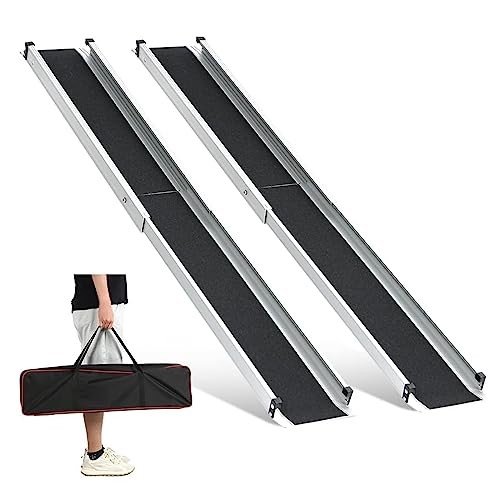
Types of Mobility Ramps
| Type of Ramp | Description | Usage Cases |
|---|---|---|
| Portable Ramps | Lightweight and quickly transportable, portable ramps can be utilized in different places. | Home use, occasions, temporary installations |
| Limit Ramps | These small ramps are designed to bridge small height differences, such as doorways. | Residential entranceways, thresholds of structures |
| Modular Ramps | Developed from prefabricated areas, modular ramps can be customized to fit particular setups. | Long-lasting setups, industrial applications |
| Irreversible Ramps | Built as part of the building's architecture, these ramps provide a durable service. | Public buildings, schools, health centers |
| Lorry Ramps | Developed for vehicles and vans, these ramps help with entry into automobiles for people with mobility challenges. | Available cars for personal use |
Advantages of Mobility Ramps
The application of mobility ramps brings numerous advantages, allowing people with various needs to access different environments without barriers. Here are some notable advantages:
Increased Accessibility: Mobility ramps offer enhanced access to public places, making sure that all individuals, despite their mobility level, can browse easily.
Improved Independence: With the ease of transitioning between levels, users of mobility help gain more autonomy in their daily regimens, promoting a sense of independence.
Safety: Ramps lower the threat of accidents associated with stairs or irregular surfaces, supplying a much safer option for individuals with minimal mobility.
Compliance with Regulations: Many regions have laws that need buildings to be accessible to individuals with disabilities, making mobility Mobile Ramps important for legal compliance.
Cost-Effectiveness: Particularly for Portable Ramps For Steps and modular ramps, requiring less irreversible building and construction, mobility ramps can be economical options for boosting accessibility.
Laws and Standards for Mobility Ramps
Building regulations and accessibility laws play an important role in guaranteeing that mobility ramps are safe and reliable. Here are a few key policies to think about:
| Regulation/Standard | Description |
|---|---|
| ADA (Americans with Disabilities Act) | Requires public buildings to be available, including specifications for ramps. The ramp slope need to typically be 1:12, suggesting 1 inch of rise for every single 12 inches of run. |
| International Building Code (IBC) | Provides standards to make sure uniformity and safety throughout various jurisdictions. It consists of requirements for the width, slope, and landing specs of mobility ramps. |
| ANSI A117.1 | A standard that lays out the technical specs for available style, consisting of ramps, doorways, and bathrooms. |
Key Considerations When Installing Mobility Ramps
Before setting up ramps, there are important elements to bear in mind to guarantee their efficiency and security:
Purpose: Define the ramp's usage (temporary vs. irreversible) and where it will be set up.
Slope and Length: Adhere to the suggested slope ratio (1:12) and calculate the right length. For every single inch of vertical increase, there ought to be at least 12 inches of horizontal run.
Surface area Texture: The Aluminum Wheelchair Ramp surface area must have a non-slip texture, especially in wet conditions, to avoid mishaps.
Width: Ensure the ramp is broad enough to accommodate the mobility device being utilized, with a minimum recommended width of 36 inches.
Landings: Provide sufficient landings at the top and bottom of the ramp for turning or steering, satisfying the requirements of availability standards.
Weather Considerations: In areas with severe weather, consider creating ramps that are not just practical but also safeguard users from snow and ice accumulation.
Frequently Asked Questions (FAQs)
Q1: Who can benefit from mobility ramps?
A1: Mobility ramps can benefit individuals using wheelchairs, walkers, or other assistive gadgets, in addition to moms and dads with strollers and elderly individuals with mobility difficulties.
Q2: Are there grants or financing offered to set up mobility ramps?
A2: Yes, various local and federal programs might offer monetary support for individuals needing mobility adjustments to their homes. Nonprofits and charitable organizations often provide resources or funding as well.
Q3: How do I select the right kind of ramp for my needs?
A3: Consider the area, the degree of incline, the intended usage (temporary vs. long-term), and any applicable building regulations to figure out the very best type of ramp for your specific situation.
Q4: Can mobility ramps be set up as DIY tasks?
A4: While some portable ramps can be put together with very little tools, permanent setups are best left to experts to make sure compliance with safety requirements and policies.
Q5: What upkeep do mobility ramps need?
A5: Regular look for structural stability, non-slip surface area condition, and any particles build-up are advisable. Clean the ramps to prevent slips and make sure functionality.
Mobility ramps are vital in producing an available environment for everyone. With an array of choices customized for various situations, the value of these structures can not be overstated. They embody the principles of inclusivity, security, and self-reliance and act as a testament to a society dedicated to supporting all its members. As we continue pursuing a more fair world, investing in mobility ramps is an action towards breaking down barriers and enhancing access for all.
댓글목록 0
등록된 댓글이 없습니다.